

CortexForge unveils material intelligence for work
Wed, 1st Jul 2026.webp)
CortexForge has unveiled Material Intelligence, a design framework for workplace software intended to make digital tools reflect the environments in which people are used.
The Saskatoon-based consultancy describes the framework as a way to treat software interfaces as working environments rather than simple containers for information. Its core idea is that a system should signal the kind of work taking place, the level of attention required, and the path through tasks before users have to rely on training or support.
Material Intelligence draws on cues associated with physical materials and applies them to digital design. CortexForge argues that surfaces, textures, and visual weight can shape behaviour in software much as stone, wood, fabric, or steel influence expectations in the physical world.
In the company's view, that means a digital system can convey qualities such as urgency, calm, control, or safety before a user reads instructions. The aim is not to create unusual-looking software, but to make systems easier to interpret in workplaces where pace, risk, and emotional conditions vary widely.
At the centre of the framework is a practical design question: what should a system communicate before users start searching, clicking, or asking for help? CortexForge argues that many workplace tools flatten very different tasks into a generic visual language, even when the work itself varies sharply across sectors and job functions.
The consultancy points to examples such as counselling platforms that resemble logistics dashboards, finance systems that feel like spreadsheet portals, and field safety tools that use the same interface logic as retail inventory software. It sees that visual sameness as a design problem because it can obscure what matters most in a given setting.
Five examples
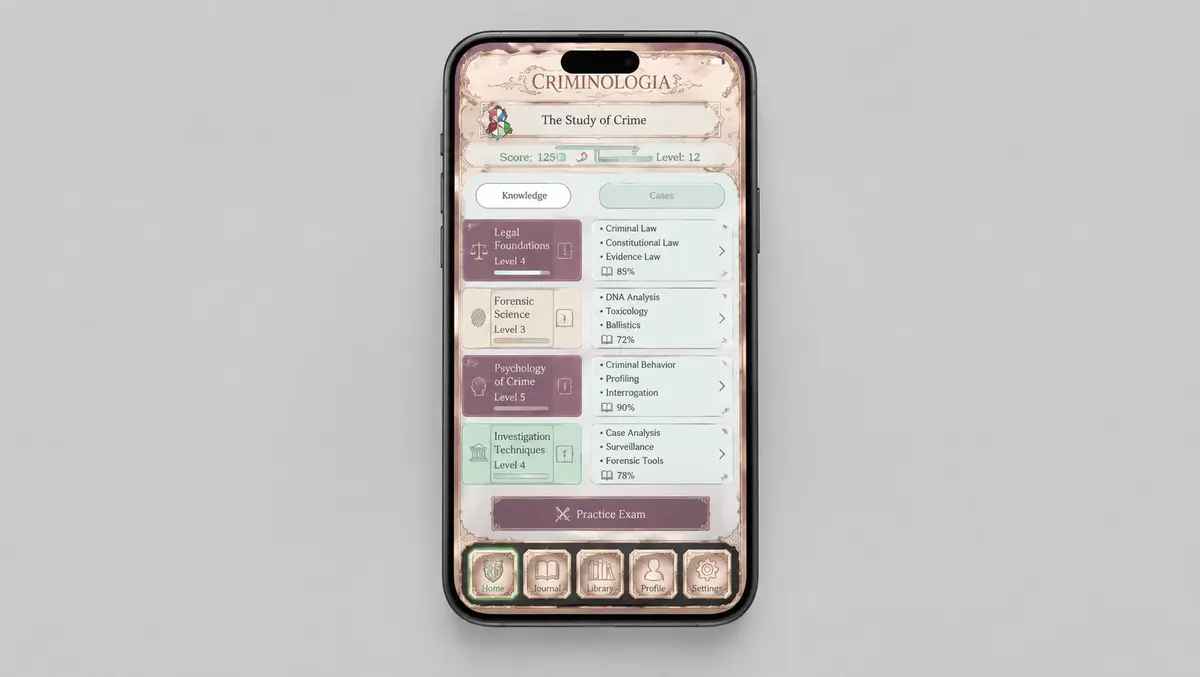
To illustrate the framework, CortexForge created five sample digital environments with different material layers. These are demonstrators rather than finished software products and use mock data.
TrustLine is presented as a counselling and clinical support environment. It is paired with Veluryn, which CortexForge describes as an attunement layer for settings where emotional safety, privacy, and reflection need to be established before progress can follow.
CapitalSeal is an executive finance environment linked with Kyralon, a dominance layer intended for systems that need to establish rank, precedence, and controlled authority. FieldBrace, aimed at field operations and safety, is matched with Imperyx, a certainty layer for settings where decisions need to land clearly and without ambiguity.
GreenHold, focused on plant and agriculture management, is paired with Canoryn, a provision layer built around work that unfolds across seasons. TailorVeil, a retail operations environment, uses Mercura, a scan layer designed to support tasks such as stocking, scanning, and fitting-room flow with immediate visibility.
The examples are intended to show how different industries and operational settings can be given distinct visible form rather than being fitted into a shared template. CortexForge says each client system is shaped around workflows, risks, data boundaries, decision points, and working conditions.
The company's wider business centres on building operational intelligence systems inside Microsoft environments. It works with tools including Microsoft Power Platform, Dataverse, Microsoft 365, and Power BI, and says its projects often replace spreadsheets, inboxes, paper processes, and disconnected software with more structured systems.
AI context
CortexForge is positioning Material Intelligence in the context of growing use of AI-supported workflows inside organisations. It argues that as internal systems become more intelligent, they also need to become easier for staff to understand and trust, particularly when people are entering information under pressure.
The consultancy links interface design directly to data quality and participation. In its view, a technically capable system will not necessarily produce useful outcomes if employees find it hard to read, hard to trust, or poorly matched to the conditions of their work.
Shayla Tarasoff outlined the company's view of the relationship between interface design and user behaviour.
"People give better information to systems they understand and trust. Material Intelligence helps digital tools feel like they belong in the workplace they serve," said Shayla Tarasoff, Vice President, CortexForge.
That argument also underpins the company's positioning of the framework alongside AI. It says organisations seeking better intelligence from their systems must also consider how those systems invite participation from the people using them.
"AI increases the need for organizations to capture useful information, but better intelligence starts with better participation. People are more likely to enter good information when a system feels connected to their work. Material Intelligence is about designing digital environments that make that participation clear, natural, and worthwhile," said Maverick Tarasoff, President, CortexForge.