

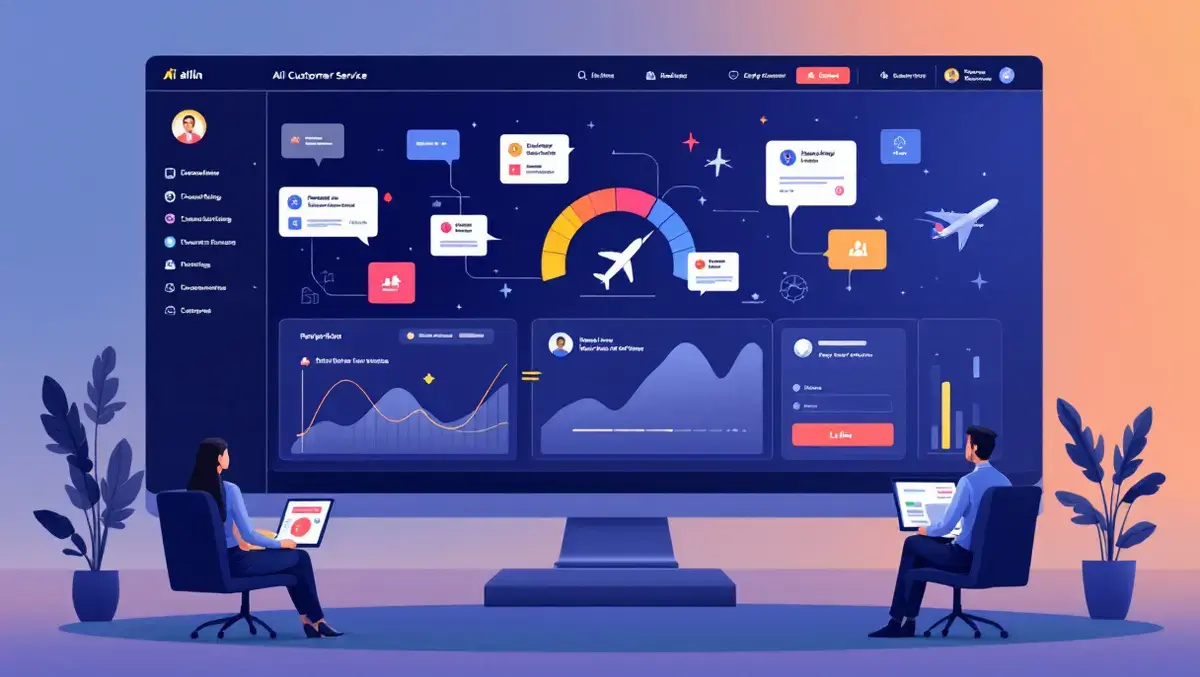
Scoot uses AI to speed up customer feedback analysis
Wed, 5th Aug 2026
Scoot has deployed Qualtrics artificial intelligence tools to analyse customer feedback across its operations, shortening the time between receiving passenger comments and acting on them.
The budget airline, part of the Singapore Airlines Group, says the technology helps teams identify recurring issues more quickly across its digital booking journey and related customer touchpoints.
Scoot has worked with Qualtrics since 2018, using the platform to gather and assess passenger feedback. Its latest use of artificial intelligence focuses on open-text responses submitted by customers at the end of the booking process.
Passengers are asked to complete a short survey on parts of the digital experience the airline can directly influence, including website design, page speed and ease of use. The responses are then analysed to detect themes and changes in sentiment from one week to the next.
The process cuts work that previously took analysts hours down to minutes, allowing product teams to prioritise changes instead of waiting for reports to be compiled and reviewed.
Digital focus
For a low-cost airline, the booking platform, app, chat assistant and post-purchase journey make up much of the customer-facing experience. This makes speed in identifying and fixing problems particularly important, as customers often complete a booking and move on quickly.
The system feeds insights directly into product decision-making by flagging patterns in customer comments and backing them with evidence. That is intended to help teams respond while issues are still current, rather than after they have become entrenched.
The technology also supports a broader effort to bring together feedback from different parts of the business. Teams in cabin crew, airport operations, information technology and customer service now work from the same view of the customer journey when a problem emerges.
That shift is meant to reduce the information silos that can slow responses inside large organisations. Instead of waiting for a formal report to move between departments, teams can see the same theme and decide who is responsible for addressing it.
Operational link
Scoot says the programme has contributed to improvements in digital experience measures across its booking platform, Manage My Booking pages and member login functions. It says the results have exceeded internal targets, although it did not disclose figures.
The rollout also reflects a wider push by companies to use artificial intelligence in customer experience work, particularly in industries where service plays a growing role in retention. In aviation, where low-cost carriers have traditionally focused on fare discipline, digital friction can carry direct commercial and operational costs.
Abandoned bookings can mean lost sales, while failed logins and avoidable complaints can lead to extra support costs. Scoot says its approach uses automation to detect and remove those points of friction rather than relying on automation after a customer has already encountered a problem.
Clive Quek, Manager, Customer Service, Scoot, said the system is being used across the airline and with external partners.
"At Scoot, we are always looking to enhance our customer experience and ensure a seamless travel journey from start to finish. We have continually invested in technology not only to improve our customers' experience but also to ensure operational efficiency. With AI capabilities from Qualtrics, we are now able to collect and act on customer feedback faster. The platform helps us validate insights with our ground servicing partners and agents, ensuring that we address real issues, both on the ground and in the air, in a fraction of the time we used to take."