Building materials stories
Australian climate tech firm Rumin8 has appointed two board members - Mark Cupta and Dr Peter Turner - to drive its commercialisation efforts.
Though a significant drop from the previous month, the total is the highest volume of attacks recorded in January over the last three years.
To remain secure, businesses and individuals need to respond effectively to a range of trends that gained momentum last year.
Aqua Security helps software vendors meet compliance requirements of US Executive Order 14028, improving cybersecurity and preventing cyber incidents.
Technology can help industrial machinery and equipment (IM&E) manufacturers take advantage of pent-up demand and motivate customers to reignite paused projects.
NowSecure has unveiled the GitHub Action for Mobile Software Bill of Materials (SBOM), an offering integrated into GitHub Action Dependency Graph.
A look at all of Adobe's major updates for Substance 3D and how its services are enabling businesses to get metaverse ready.
New lows for ransomware attacks, an increase in nation state attacks, a decline in critical infrastructure defences, and 2022 becoming the year of the defender.
BlackBerry showcases new updates and demos, including the integration of BlackBerry IVY with partner technologies, at CES 2022.
Longer-lasting concrete could cut emissions by reducing replacements, as cement accounts for up to 8% of global CO2 output.
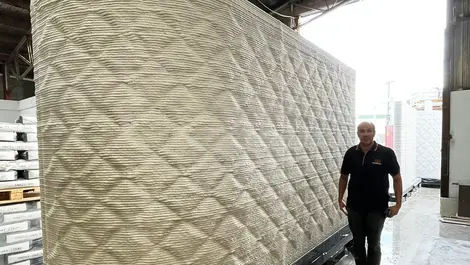
Completed on time despite supply chain woes, the Hamilton project cut wall installation to just two and a half days using 3D-printed concrete.
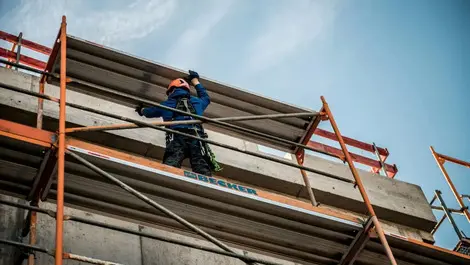
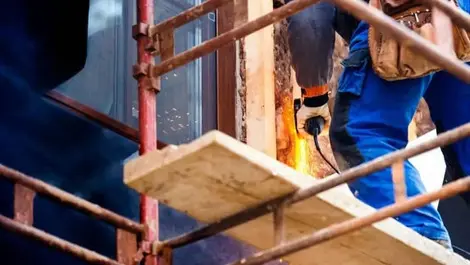
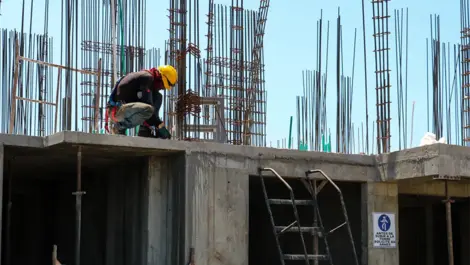
Worksites remain vulnerable to falls, electrocution and fire, with the risk of serious injury or death still high without strict controls.
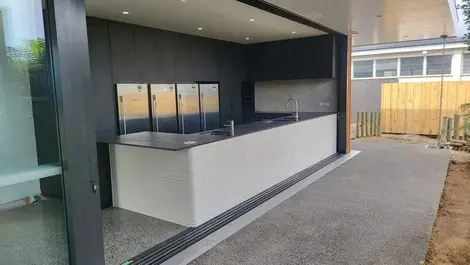
Auckland visitors can inspect a world-first solar passive house with 3D printed concrete walls, built to cut energy use and boost resilience.
Homeowners risk mould and structural damage if flood repairs begin before hidden moisture is fully removed, new BRANZ guidance warns.
Managing the technology stack and known vulnerabilities is becoming a key criteria for cyber insurance payouts.
Materials shortages and labour pressures have pushed CoreLogic’s residential construction index to its steepest annual rise since late 2012.
Infrastructure contracts face renewed strain as soaring energy and materials prices push costs well above general inflation, prompting calls to renegotiate terms.
The new Auckland facility could cut New Zealand construction emissions by about 78,000 tonnes of CO2 a year, Holcim says.
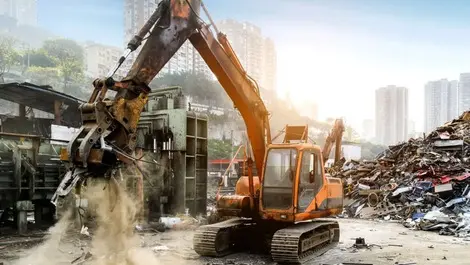
Recycling rates could rise as new sorting and shredding systems help construction waste avoid landfill and recover more valuable materials.
Construction waste is harder to recycle than most rubbish because asbestos and other pollutants must be stripped out first.