Building materials stories
BlackBerry has announced a new technology integration between Okta's Identity Cloud and BlackBerry Spark unified endpoint management.
The partnership will address the increasing complexity and growing cybersecurity threats among multi-tiered software supply chains.
New report helps IT buyers avoid greenwash and false claims, says TCO Development. Social and environmental risks high in complex product categories such as IT.
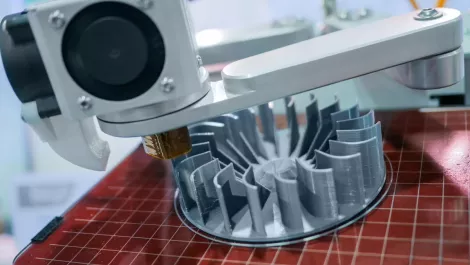
An IDTechEx report forecasts that the global market for 3D printing materials will be worth $18.4 billion in 2030.
New materials valued as a $400 billion market are the key to enabling ambitious smart cities, according to a new report.
The nanoscale advance combines the core software needed to drive artificial intelligence with image-capturing hardware in a single electronic device.
The portal adds a gamification approach that allows users to progress up status tiers and access greater sales and marketing support.
COVID-19 has sparked key trends in technology, including infection prevention and remote commerce, according to Lux Research.
Archer Materials achieves milestone towards building room-temperature quantum computing chip, making quantum processing power commercially available.
The Archer team, based in Sydney, Australia, will work with the IBM teams based in New York, USA, as part of the IBM Q Network.
LogRhythm appoints Mitchell Rowe as new CRO, bolstering its leadership team. Rowe, ex-Ivanti CRO, aims to drive global sales and customer satisfaction.
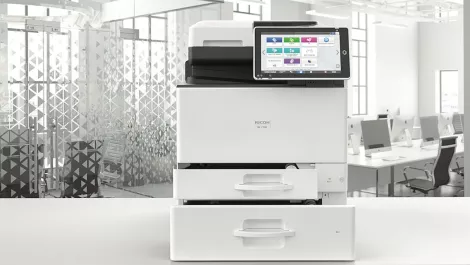
Ricoh unveils new A4 colour multi-function devices, the IM C300F and IM C400F, designed for small to medium workgroups with advanced scalability and security.
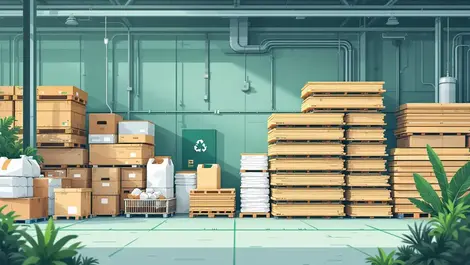
Waste from cartons and soft plastics will soon be turned into low-carbon building boards in New Zealand, diverting 4,000 tonnes from landfill a year.
Sustainability, modular builds and antimicrobial coatings are expected to reshape the sector as pandemic-era demand and supply shifts persist.
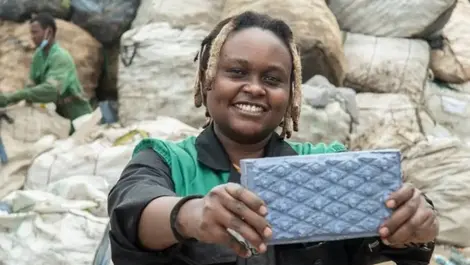
Kenya’s building sector could cut landfill and emissions as Nzambi Matee turns non-recyclable plastic into bricks stronger than concrete.
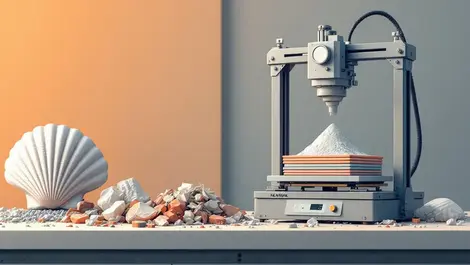
RMIT researchers say lobster-shell patterns and recycled waste could make 3D printed concrete stronger, faster-setting and greener.
Demand is rising for a wrap that could help protect high-rise buildings and bushfire-prone homes from flames, hail and water damage.
Researchers are testing whether structural insulated panels can speed up builds, cut costs and meet New Zealand’s earthquake standards.
Its 400-plus service points across Australasia are helping customers cut costly downtime as Hydraulink adds new distributors and branches.
Careful planning can cut construction waste, saving money, reducing accidents and lowering carbon emissions across a project.